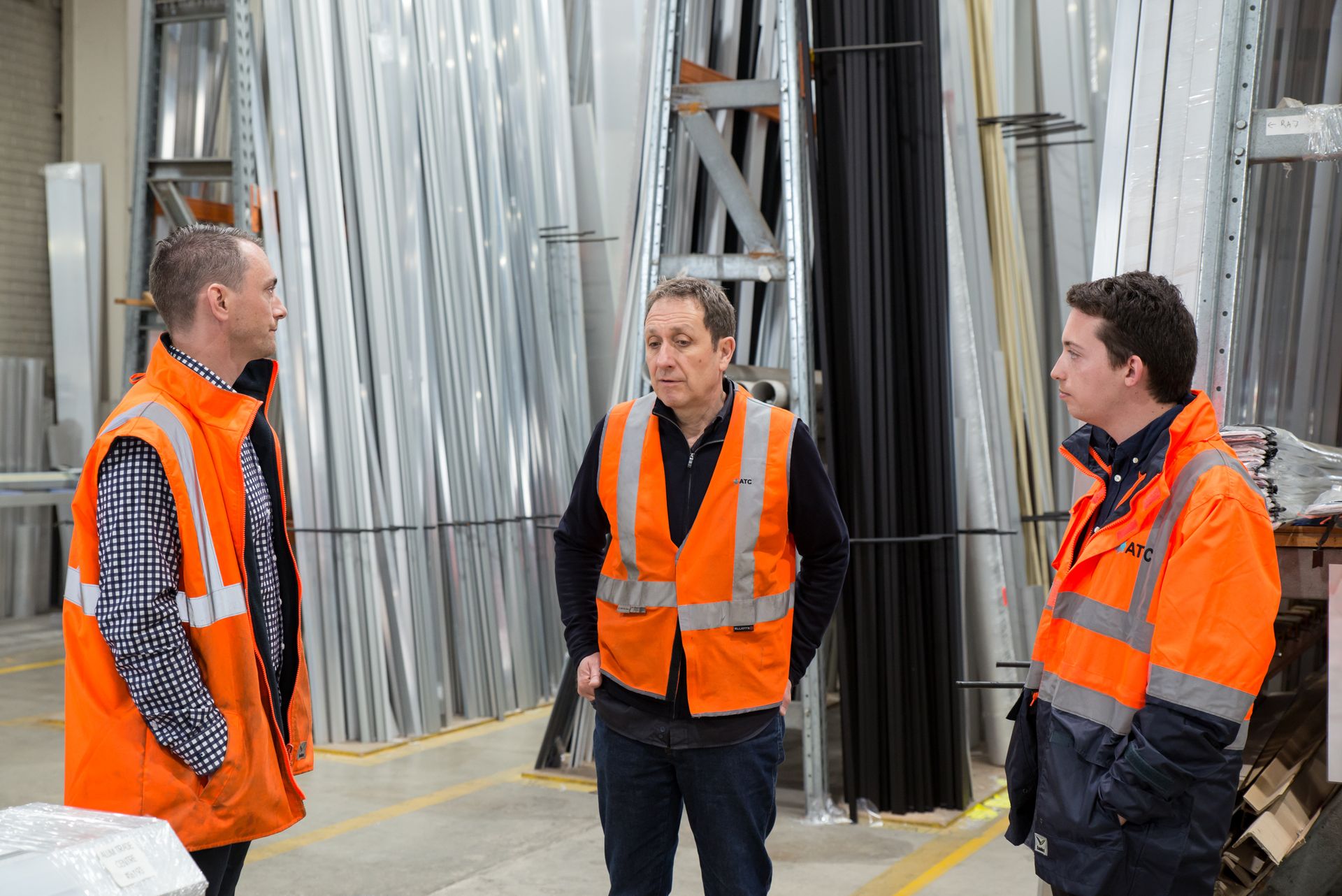
It is mid-July at a regional distribution center, and fourteen seasonal workers started on Monday. By Wednesday, one of them notices something the full-time crew stopped seeing years ago: the anchor bolts on a pallet rack upright in aisle 14 are visibly loose. He mentions it to the temp working next to him. Neither of them has a login for the company safety system, neither has a company email address, and nobody covered hazard reporting in their forty-minute orientation. So the observation goes nowhere. It stays in aisle 14, waiting for a forklift.
Every summer, operations across warehousing, manufacturing, food processing, and construction absorb a wave of temporary and seasonal labor. And every summer the same structural gap opens: the people at the highest risk of injury are the people the safety management system was never configured to include.
The First Days Are the Most Dangerous, and the Least Supported
OSHA’s Temporary Worker Initiative exists because of a pattern the agency could not ignore: repeated reports of temporary workers suffering serious and fatal injuries, many within their first days on a job. Joint OSHA and NIOSH guidance names the contributing factors plainly: newness to the workplace and the role, insufficient communication between the staffing agency and the host employer, gaps in training, and job duties that change after the worker arrives on site.
Notice that none of those factors describes the worker. Every one of them describes the system receiving the worker. When a temp gets hurt in week one, the failure usually traces back to decisions made before that person walked through the door: what the orientation covered, what the staffing agency was told about the job, and whether anyone gave the worker a way to speak up.
OSHA treats staffing agencies and host employers as joint employers, sharing responsibility for temporary worker safety. In practice, the split is frequently misunderstood, and hazards fall into the seam between the two:
Who Owns What Under the Joint-Employer Framework
| Staffing Agency Typically Provides | Host Employer Typically Provides |
|---|---|
| General safety awareness training | Site-specific and task-specific hazard training |
| Inquiry into the host’s worksite conditions and tasks assigned | Hazard evaluation and controls for the actual work environment |
| Communication channel for worker concerns | Day-to-day supervision, incident response, and injury recording for workers it supervises |
| Verification that assigned duties match the agreement | Notification to the agency when tasks, equipment, or conditions change |
Why the Hazard Report Never Arrives
Walk through what reporting a hazard actually requires at most sites. The worker needs an account in the safety platform, which IT provisions for employees, not for a six-week assignment. They need the mobile app, which they are reluctant to install on a personal phone. They need a password, a username convention, and someone to have shown them where the reporting form lives. A temporary worker typically has none of these. Add a quiet incentive to seem agreeable so the assignment gets extended, and often a language barrier on top, and the silence is complete.
The instinct is to read that silence as disengagement. The systems view says otherwise: a worker with no account, no app, no training on the channel, and every social reason to keep their head down is behaving exactly as the system taught them to behave. Access, not attitude, is the barrier.
It is also a solvable design problem. Some platforms now let any worker open a hazard report by scanning a QR code posted in the work area and entering only an employee ID, with no app download and no password, while still attributing every submission to the correct person automatically. For a temp three days into an assignment, that is the difference between reporting the loose rack bolts and shrugging.
Build the System for Day One, Not Day Ninety
If your seasonal surge is already on site, the fix does not require a program overhaul. It requires closing five specific gaps, in order:
Five Steps to a Day-One-Ready Safety System
Send actual task descriptions, required PPE, and known hazards. Vague job orders produce workers trained for a different job.
Agency training covers general awareness. Your equipment, chemicals, traffic patterns, and emergency routes are yours to teach.
If reporting requires an account, an app install, or a password, temporary workers are excluded by default. QR-based access removes the gate.
One face, one name, findable on the floor. Concerns die in the gap between two supervisors who each assume the other owns it.
Fix the first reported hazard fast and say who reported it helped. The second report arrives because the first one visibly mattered.
New Eyes Are the Audit You Did Not Schedule
There is an upside hiding in all of this. Long-tenured crews stop seeing their own workplace; hazards that persist long enough become furniture. Seasonal workers walk in with none of that normalization. For their first two weeks, they see your site the way a compliance officer does, noticing the blocked exit, the frayed cord, the missing label that everyone else walks past.
Treated correctly, every seasonal cohort is a free, fresh audit of your facility. But the findings only reach you if the reporting channel is open from day one and the orientation and training that precedes it tells workers their observations are wanted. If their observations have nowhere to go, you paid for the audit and discarded the findings.
How Q-Hazard Can Help
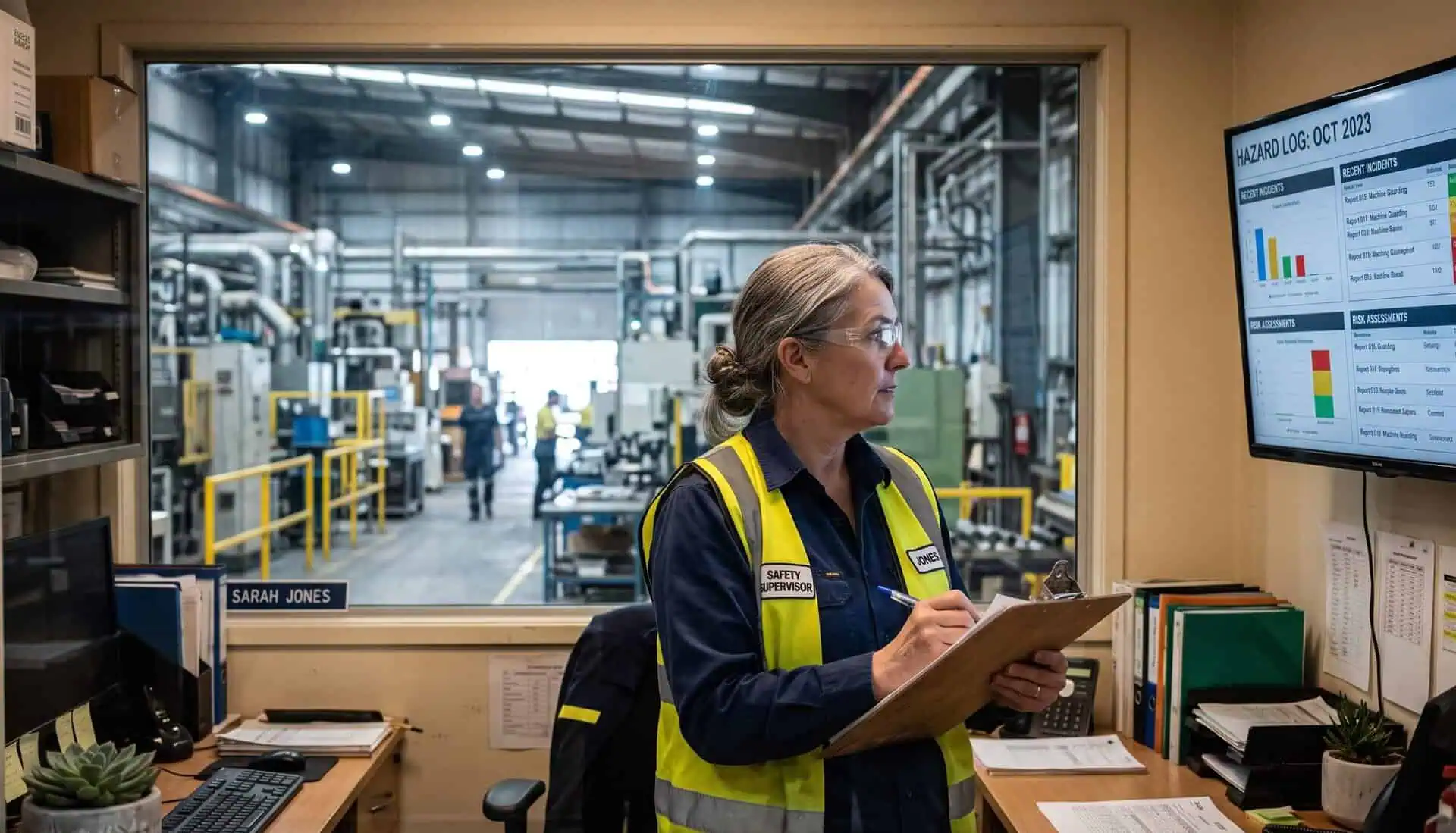
Quantum’s Q-Hazard hazard reporting module is built for exactly the gap this post describes. With Smart Login, a temporary worker scans a QR code posted at the work area, enters only an employee ID, and submits a hazard report with photos from their own phone. There is no app to download and no password to issue, and every submission is still attributed to the correct employee automatically, so reports from a six-week hire arrive with the same accountability as reports from a twenty-year veteran.
Reports land in a structured queue with location, photos, and status tracking, so EHS managers can triage what the seasonal workforce is seeing the same day it is seen, instead of discovering it in a post-incident review.