
Across industries, Environmental, Health, and Safety (EHS) is in transition. A generation of veteran professionals is leaving the workforce, taking with them not just experience but the “tribal knowledge” of how safety really works inside their organizations. What remains is a field in flux—where roles are shifting, expectations are rising, and technology is advancing faster than many can keep up.
Within this landscape, three groups of EHS professionals are emerging.
The first is made up of those at large Fortune 500 companies—people with access to established systems, clear leadership support, and dedicated budgets. They have the tools, structure, and visibility to drive safety initiatives forward.
The second group, and perhaps the most vulnerable, are the EHS professionals working in small and mid-sized organizations. They’re skilled, trained, and often deeply committed—but they find themselves in a difficult position. Many must regularly justify their value to management, defend their budgets, and prove their competence to leaders who may not fully understand the complexities of EHS. These professionals are frequently left out of key decisions—about new technologies, new hires, or even new safety programs—forcing them to influence upward without the formal authority to do so.
And then there’s the third group: the frontline workers who have been promoted into safety management roles. They bring firsthand operational insight but often lack the technical and regulatory background that formal EHS professionals possess. They’re learning on the job, sometimes with limited guidance, trying to bridge the gap between safety theory and shop-floor reality.
The Promise and Pressure of AI
Amid this generational and structural shift, AI has entered the conversation. Some executives are eager to explore its potential, viewing it as the next frontier for efficiency and insight. But many EHS professionals remain cautious. To them, AI can feel like a luxury—“bells and whistles” introduced before the basics are truly in place.
It’s not that they’re resistant to technology. It’s that they know: without a strong foundation, AI won’t solve the underlying problems. In many organizations, the essentials of safety management are still held together by spreadsheets, shared folders, or paper binders. Some companies rely on insurance-driven platforms like Velocity or KPA that absorb most of their EHS budget but only cover part of the job. Others make do by retrofitting quality management systems for EHS use.
What most of these professionals are longing for is simple but powerful: a place for everything, and everything in its place. They want a centralized, purpose-built system designed around the realities of their work—not another piece of software they have to bend to fit their needs.
They’re not looking for flash. They’re looking for clarity.

The Real Work of EHS
Ask these professionals what keeps them up at night, and their concerns go beyond compliance checklists. They’re trying to help their organizations move from safety concerns to a safety culture—one where safety isn’t just discussed after incidents but practiced daily, reinforced by leadership, and woven into every decision.
They want to be proactive about prevention, not just reactive after the fact. They want tools that help them anticipate risks, not just document them.
They want to see frontline workers not just following rules but engaging with safety as part of how they define good work.
They want to be heard—to influence upward—so that safety expertise has a voice in decisions about budgets, systems, and new technologies.
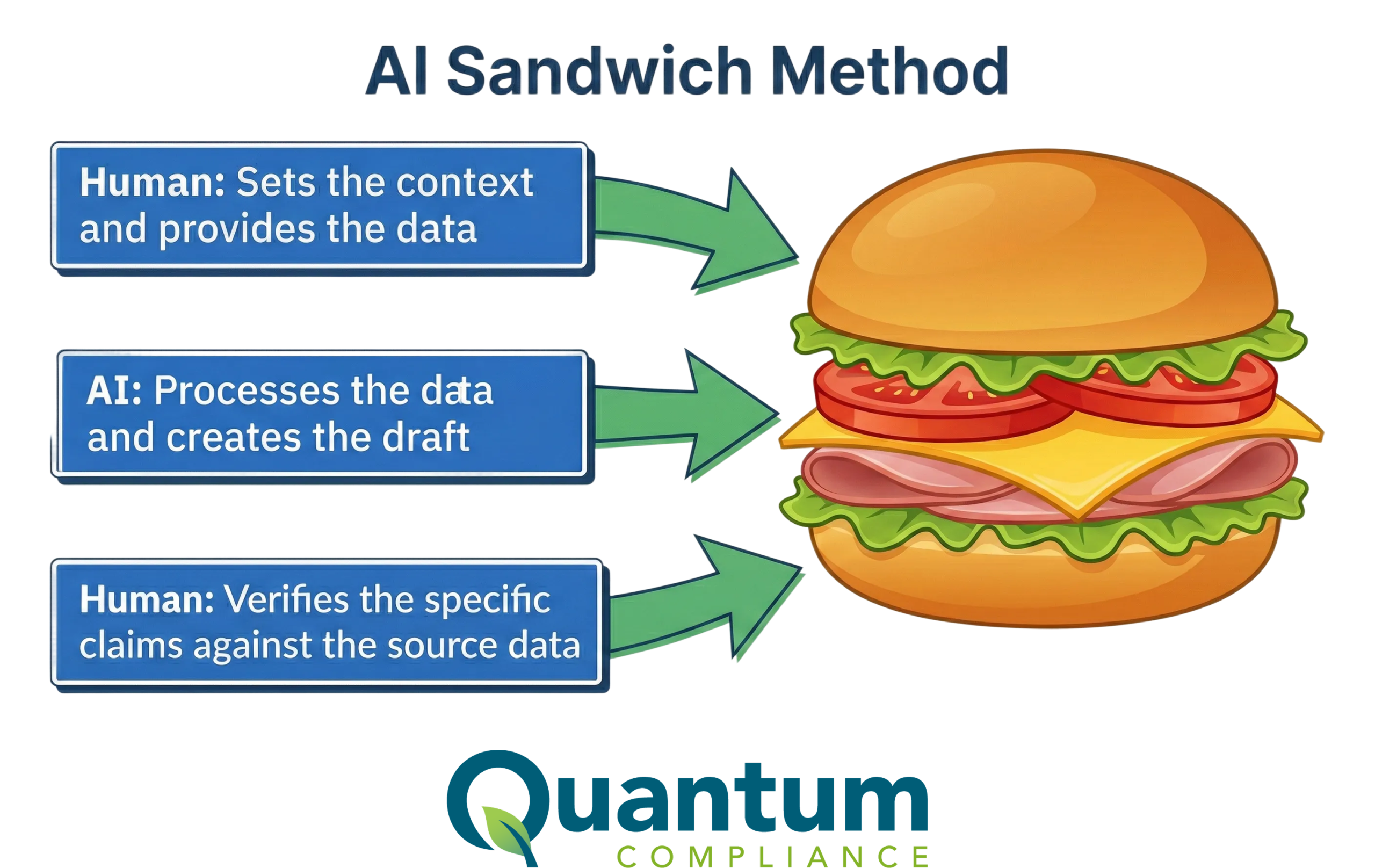
And they want to keep the human in the loop. As AI and automation expand, EHS professionals are increasingly the guardians of human judgment. They understand that every technological recommendation still needs human oversight—that data and algorithms must be tempered by context, empathy, and experience.
They’re also attuned to the psychosocial side of safety. After a near miss or an incident, they know the work isn’t finished when the forms are filed. They advocate for communication, transparency, and follow-up—for collaboration with HR to provide support through Employee Assistance Programs and to address the emotional and psychological ripple effects that can linger long after an event.
Because real safety isn’t only about preventing injuries. It’s about fostering trust, engagement, and wellbeing.

Moving Forward
EHS today stands at a crossroads—between tradition and technology, between hierarchy and inclusion, between compliance and culture.
Those in the middle—the professionals holding organizations together day by day—are ready for change. They don’t just need another system. They need systems that understand them: their constraints, their goals, and their deep sense of responsibility for the people who work around them.
As AI and automation advance, the question isn’t whether EHS will evolve. It’s how. And whether, in the process, we can design tools and cultures that keep the human—always—in the loop.