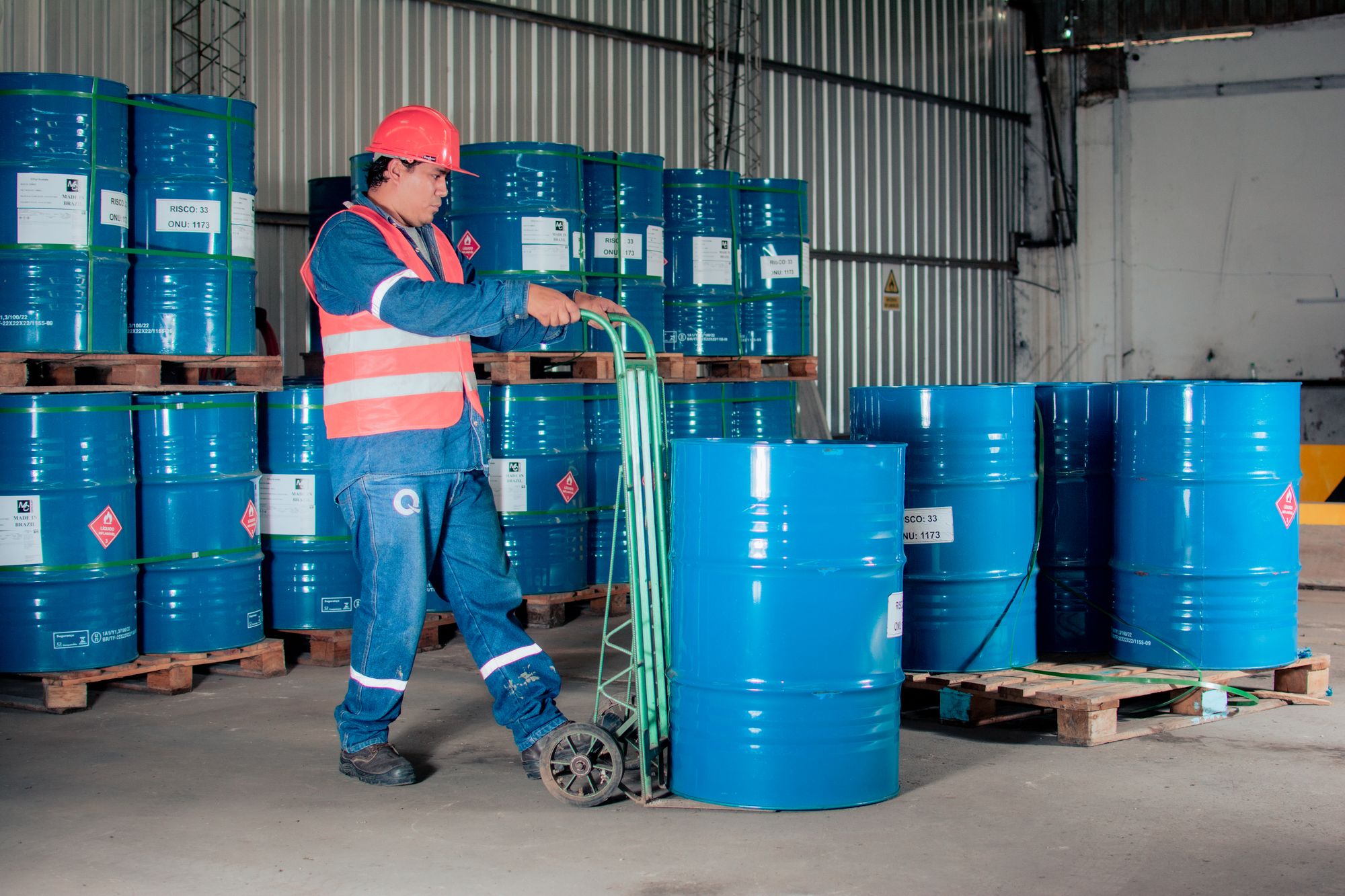
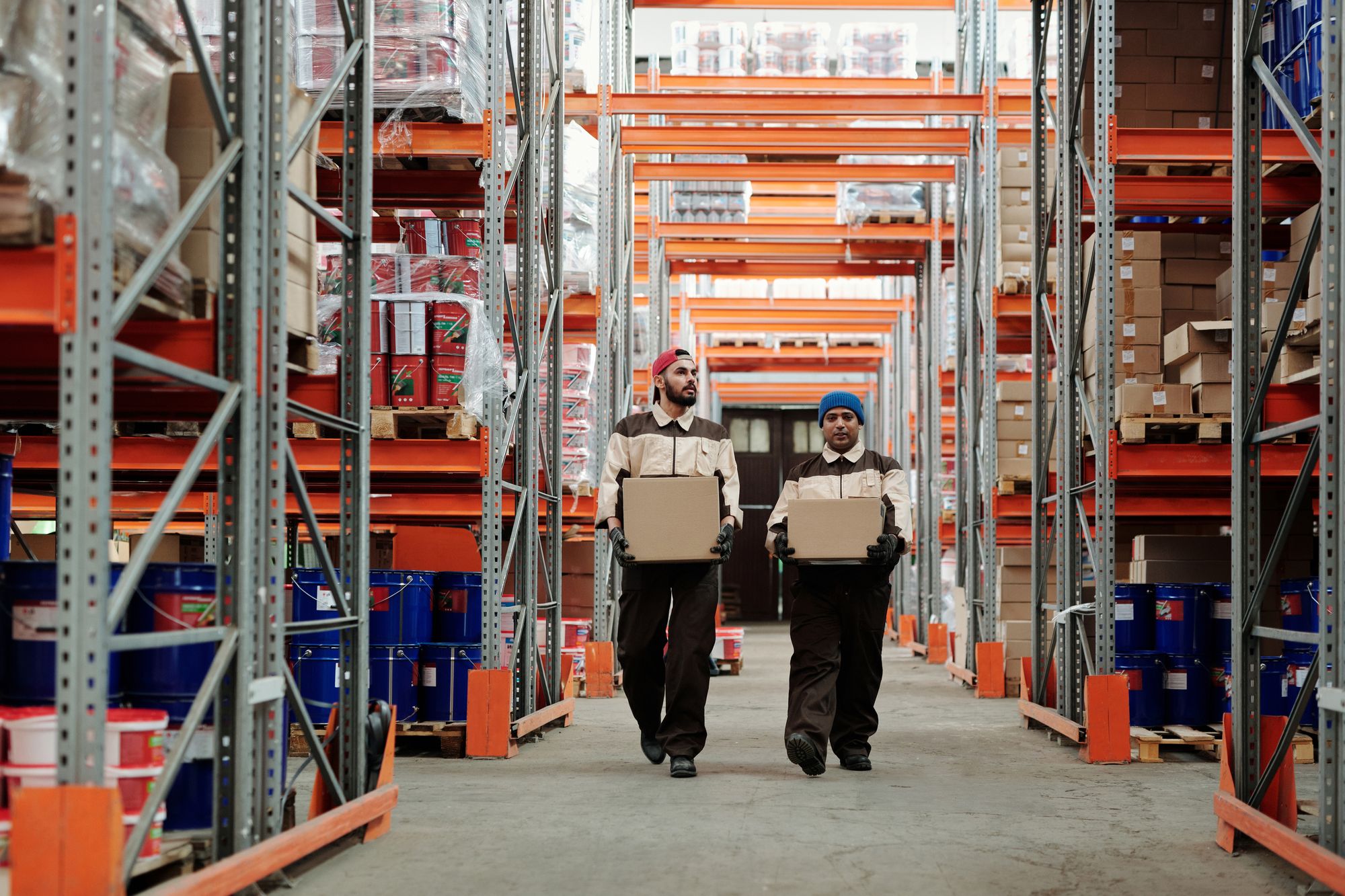
A case picker on second shift pulls forty-pound cartons out of the bottom slot of a rack that sits four inches off the floor. She bends, rotates at the waist, and carries, roughly nine hundred times a shift. Nobody has been hurt on that line this quarter, so the job has never appeared in a report, a log, or a meeting. Your company does have an ergonomics policy. It is eleven pages, it was approved two years ago, and it says nothing about that rack.
This is a common shape for an ergonomics program. The policy is real, the intent behind it is real, and the exposure on the floor has never been measured. It is also the exact gap OSHA describes in its own enforcement guidance.
There is no ergonomics standard, which is where the confusion starts
Congress passed and the President signed Senate Joint Resolution 6, which rescinded OSHA’s original ergonomics rule. Under the Congressional Review Act, that resolution also prohibits the agency from issuing a rule substantially the same as the one it lost. OSHA’s industry ergonomics guidelines, covering meatpacking, poultry processing, nursing homes, shipyards, retail grocery and foundries, are advisory. In OSHA’s own words they do not create new employer obligations and are not a basis for citations. There is also no OSHA standard limiting the maximum weight an employee may lift or carry.
Plenty of EHS managers stop reading there and conclude that ergonomics is a nice-to-have. That conclusion is wrong in a way that shows up during an inspection. OSHA cites ergonomic hazards under the General Duty Clause, Section 5(a)(1) of the OSH Act, which requires employers to keep the workplace free from recognized serious hazards. The agency states plainly that this obligation exists whether or not voluntary guidelines apply to your industry.
THE CRITERIA OSHA WEIGHS BEFORE CITING
| Criterion OSHA weighs | What your site is expected to show |
|---|---|
| An ergonomic hazard exists | A record of the actual task conditions on the floor |
| The hazard is recognized | Your own reports, complaints, claims, or industry guidance |
| It causes or is likely to cause serious physical harm | Injury history and the severity of the exposure |
| A feasible means exists to reduce it | Whether a practical fix was available and was not applied |
OSHA states it weighs the evidence in each case along with other relevant factors before citing. Source: OSHA, Ergonomics Standards and Enforcement FAQs
Read the fourth criterion again. Feasibility is the one an inspector can establish quickly, because the fix is often a pallet jack, a lift table, or a slot assignment. If a cheap and obvious control was sitting there unused, the citation gets easier to write.
The category that takes the most time out of your workforce
Over the two-year 2023 to 2024 period, private industry employers reported more DART cases from overexertion, repetitive motion and bodily conditions than from any other event category. DART counts cases involving days away from work, restricted work activity, or job transfer, so it captures the light-duty assignments that never show up if you only watch lost-time numbers.
DART CASES BY EVENT OR EXPOSURE
Private industry, 2023 to 2024 combined. DART covers days away, restricted work, or job transfer.
Volume is only half of it. These cases also keep people off their normal job the longest.
24 days
Median DART days for overexertion, repetitive motion and bodily conditions, against 14 days for all events combined
Private industry, 2023 to 2024. Source: U.S. Bureau of Labor Statistics
A strained back does not generate a dramatic incident report, and it rarely triggers a root cause investigation. It quietly removes a trained person from their job for the better part of a month, and then puts them back into the same task that produced it.
The site is the unit of enforcement
OSHA is unusually direct on this point. The agency says it will not focus its enforcement efforts on employers making good faith efforts to reduce ergonomic hazards, and in the same breath says it has issued citations to companies that evidenced corporate commitment to lowering ergonomic hazards but failed to effectively implement that commitment at specific sites, because the General Duty Clause applies to conditions at individual worksites. Good faith is measured where the work happens. A signed policy at headquarters does not travel to the floor on its own.
Even where OSHA declines to cite, if ergonomic hazards exist it may issue a hazard alert letter describing ways to reduce them and the resources available. OSHA states it conducts follow-up inspections or investigations within twelve months of issuing one. That letter is a dated record that the hazard was recognized, and the second visit starts from there.
Five controls that survive a site-level review
These are ordered the way the hierarchy of controls orders them, with design changes ahead of training and measurement.
- Change the task before you retrain the person. Raise the pick face off the floor, shorten the carry, cut the reach depth, add a lift assist, or split the load. Every one of these changes the exposure for everyone who touches the job, including the worker who has not been hired yet.
- Rank jobs by physical exposure before anyone is hurt. Waiting for a recordable means the exposure already ran long enough to injure someone, and injury history only tells you where that has already happened. Score the jobs you already know are heavy on force, posture, repetition and duration, and start with the worst one.
- Build the assessment around the specific task. Ask for the actual slot height, the carton weight range, the cycle count, and whether the twist is designed into the layout. A generic checklist asking whether employees “lift properly” will collect a clean column of yeses from a job that is injuring people.
- Put the assessment on a recurring schedule and re-run it whenever the work changes. A new SKU, a re-slotted rack, a faster line, or a shift in headcount all change the physical demand. Programs usually stop here, having assessed once during a kaizen event three years ago.
- Give every finding a named owner, a due date, and a verified closure. An assessment that ends in a report leaves you holding an inventory of hazards you have documented and not fixed. That is a worse position than never having looked.
Step three is where a lot of teams quietly give up, because building a different form for every task type is tedious on paper. Some platforms now let form authors drop a photo into the question itself, so a picker answering a posture question sees the reference image for that job instead of reading a paragraph of description. In a multilingual workforce that matters more than it sounds.
How Q-Inspection Can Help
Steps three, four and five in that list are recurring field checks with corrective action attached. That is the job Q-Inspection does. You build the inspection form around a specific task type, schedule it against the site or role that performs the work, and run it on a phone at the rack. When an inspector marks a finding, its risk level is visible on the findings list without opening a separate screen, and the corrective action gets assigned to a named person and tracked through verification to closure. The record that comes out the other side is site-level and dated. That is the form of evidence a General Duty Clause analysis actually turns on.
Be clear about the boundary. Quantum does not decide that a pick face is too low or that a carton is too heavy. Steps one and two are human judgement calls made by people who know the work. If you want physical demands scored as a rated exposure rather than a pass or fail answer, that belongs in Q-Risk, which is a separate piece of work with its own records.
The case picker on second shift is not doing the job wrong. She is doing the only job the rack layout allows. Fix the rack. Then keep the record that shows when you did it.