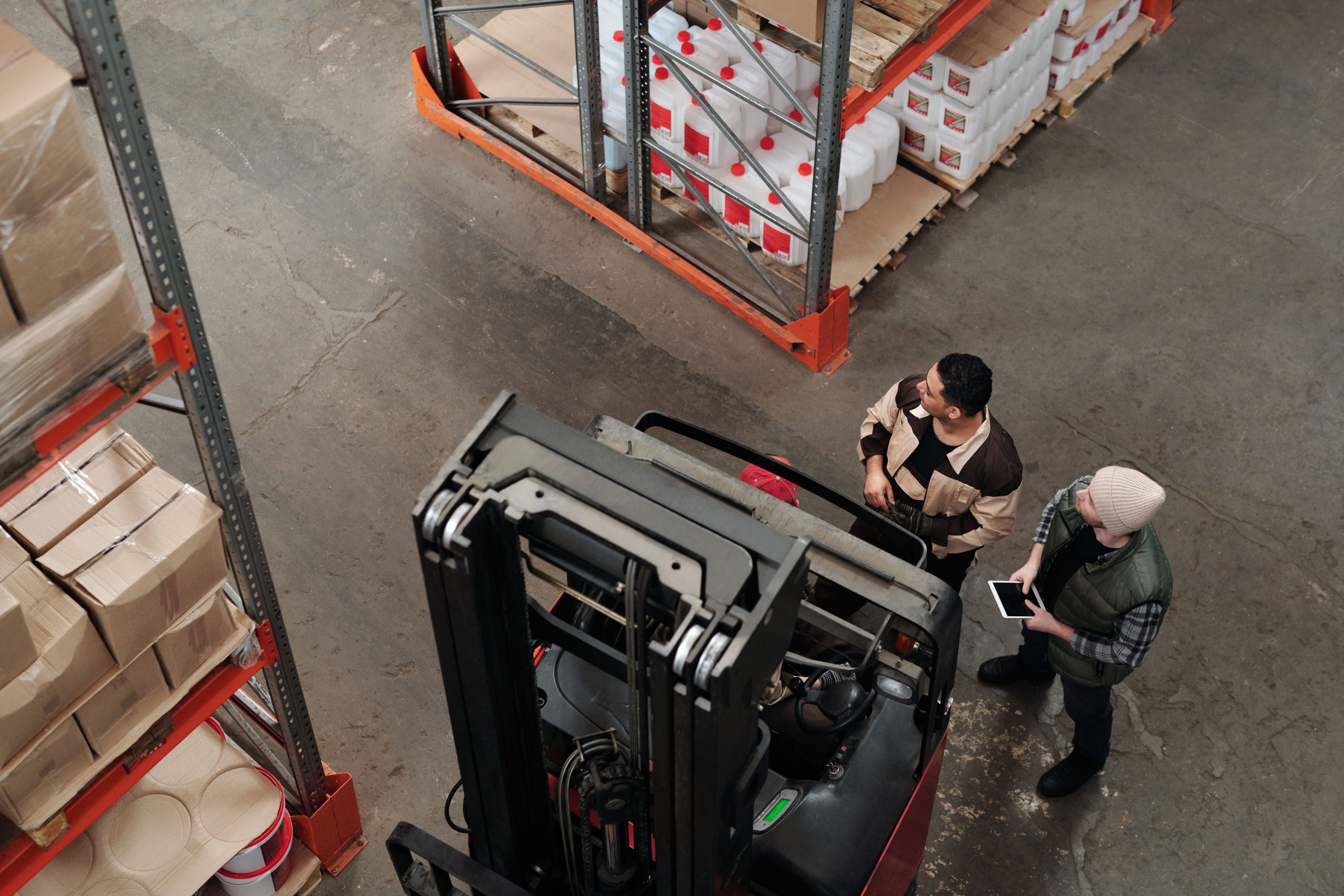
It is 6:55 a.m. at shift change on the warehouse floor. A forklift rounds the end of an aisle at the same moment a picker steps out from between two racks. Both stop. Nobody is hurt. The picker mutters something, the driver waves, and everyone gets back to work. No form gets filled out, because nothing happened. Three weeks later, a different picker walks the same blind corner and does not stop in time. Now there is an OSHA recordable, an investigation, and a manager asking why nobody saw it coming.
Somebody did see it coming. Several people did. The near miss just never reached anyone who could act on it. If your team logs almost no close calls, that is not evidence your workplace is safe. It usually means your reporting system is quietly failing, and the people closest to the hazards have learned that speaking up costs them time or exposes them to blame.
Why Close Calls Stay Invisible
When a near miss goes unreported, the instinct is to say the worker should have said something. That framing gets you nowhere, because it treats a predictable outcome as a personal failing. Look at what the system asks of a worker who wants to report a close call: stop what they are doing, find a computer or a supervisor, remember a login, describe the event in writing, and trust that the report will not come back to bite them. Every one of those steps is friction, and friction is a design choice, not a character flaw.
The National Safety Council notes that most safety incidents are preceded by near misses, which makes close calls the single richest source of prevention data you have. Research on near-miss programs consistently finds the same barriers: fear of repercussions, the belief that a close call is not worth the paperwork, and simple lack of time in a busy shift. None of those are solved by telling people to try harder. They are solved by redesigning the reporting experience so that doing the right thing is the easy thing.
Fix the System, Not the Worker
A near-miss program built on blame collapses within a quarter. The first time a report leads to a reprimand, word travels, and reporting stops. Workers are not withholding close calls out of indifference; they are responding rationally to a system that has taught them reporting is risky and slow. Your job is to change what the system rewards.
That means separating the report from any question of fault, thanking people for surfacing hazards regardless of how the event unfolded, and making the act of reporting take seconds rather than minutes. OSHA’s Recommended Practices for Safety and Health Programs put worker participation and a non-punitive reporting climate at the center of an effective program for exactly this reason.
How to Build a Near-Miss Program Workers Actually Use
A program that sticks is less about the policy document and more about the daily experience of reporting. The sequence below is the one that holds up in the field.
Steps to Build a Near-Miss Reporting Program
Give workers concrete examples from their own environment so they know a close call counts even when nothing was damaged.
Let people report from where they stand, in under a minute, without hunting for a desk, an app download, or a password.
State in writing, and repeat in person, that reporting a near miss never leads to discipline. Then protect that promise without exception.
A close call that lands in an inbox and dies teaches people not to bother. Assign corrective actions and track them to closure.
Tell the reporter and the crew what changed because of the report. Visible follow-through is what turns a policy into a habit.
Lower the cost of speaking up
Step two is where most programs live or die. If reporting means walking to the safety office and logging into a system, you have priced out the very people you most need to hear from. Some platforms now let a worker scan a QR code posted at the point of work, enter only an employee ID, and submit a report with a photo in well under a minute, with no app to install and no password to remember. Every submission is still attributed to the right person automatically, so you keep accountability without adding friction. When the cost of reporting drops that far, volume rises, and volume is the whole point.
What the Numbers Are Actually Telling You
The injuries that show up in your logs are the visible tip of a much larger base of unsafe conditions and close calls. Federal data makes the scale of the visible part clear.
2.5 million
Recordable nonfatal workplace injuries and illnesses in private industry in 2024, the visible tip of a far larger base of near misses
Source: U.S. Bureau of Labor Statistics
The metric that predicts where you are heading is your near-miss-to-recordable ratio. A mature reporting culture surfaces many close calls for every recordable injury, often more than thirty to one. A low ratio does not mean you have fewer hazards; it means fewer of them are reaching you. Track the ratio over time, watch for clusters by location and task, and treat a sudden drop in near-miss reports as a warning sign rather than a win. This is also where near-miss data connects to your incident management practice: the close calls you capture today are the investigations you avoid next quarter.
How Hazard Reporting Can Help
Quantum’s Hazard Reporting module is built around the one variable that determines whether a near-miss program works: how easy it is for a frontline worker to report. Workers can log a close call directly from the floor by scanning a QR code and entering their employee ID, attach a photo of the condition, and submit in under a minute, with no app download and no password to manage. Each report is attributed to the right person automatically, so you get participation and accountability at the same time.
From there, every report can be routed to an owner with a corrective action and a due date, and assignees keep visibility of those tasks straight through to closure so nothing quietly falls off the list. Trend and location dashboards, plus flexible data export, let you monitor your near-miss-to-recordable ratio and spot the clusters worth acting on before they become injuries. Learn more about Quantum Hazard Reporting.