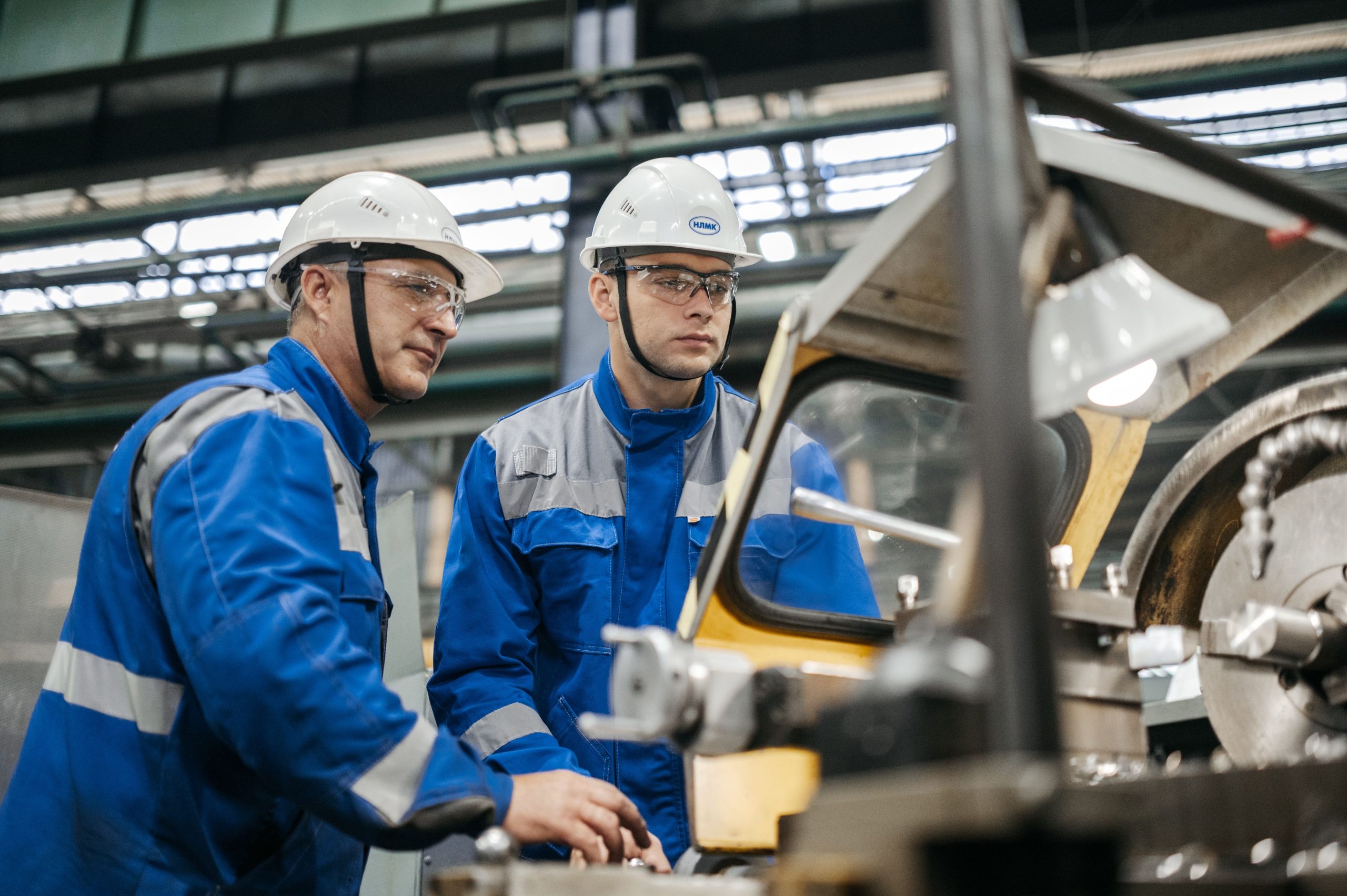
A maintenance tech at a packaging plant reaches into a machine to clear a jam without locking it out. He has done it this way for three years; everyone on his shift has. This time his sleeve catches. The investigation lands on a familiar conclusion: operator failed to follow lockout procedure. Corrective action: retrain the operator. The report closes. Six months later, a different tech on the same line clears a jam the same way, and the cycle starts over.
If you have read enough incident reports, you have read this one. The finding is “human error,” the fix is retraining, and the same event returns wearing a different name badge. The problem is not that the conclusion is wrong. The problem is that it is where the investigation stopped, not where it should have started.
“Human Error” Is a Conclusion That Ends the Inquiry
When an investigation names human error as the cause, it quietly assumes the worker was the weakest part of an otherwise sound system. Remove the bad decision, the logic goes, and the risk leaves with it. But the worker did not invent the shortcut. The shortcut was the fastest way to hit a production target with the tools and time available, and it had worked hundreds of times before the day it didn’t.
Human error is real, and studies across industries attribute a large share of incidents to it. The figure matters less than what you do with it. Treating error as a cause leads you to fix the person. Treating error as a symptom leads you to ask what conditions made that error the reasonable choice in the moment. That second question is where every durable fix lives. The U.S. Bureau of Labor Statistics counted 5,283 fatal work injuries in 2023, and most of those workers were not careless people having a careless day. They were ordinary people meeting the demands the system placed on them.
1 every 99 minutes
A U.S. worker died from a workplace injury this often in 2023
Source: U.S. Bureau of Labor Statistics, Census of Fatal Occupational Injuries
The Gap Between Work-as-Imagined and Work-as-Done
Every job exists twice. There is the job as it was designed at a desk, captured in the procedure, the JHA, and the training module. Then there is the job as it actually happens on the floor, where the line runs faster than planned, the right tool is two buildings away, and a step that adds four minutes gets quietly dropped because the schedule does not allow for it. The distance between those two versions is where risk accumulates.
Practitioners of Human and Organizational Performance call this the gap between work-as-imagined and work-as-done. The people who write procedures rarely see how far real work has drifted from them, because the drift is invisible until something breaks. Workers are not hiding it; they are absorbing it. Every shortcut that becomes routine is a small signal that the designed system and the real system have parted ways.
Two Versions of the Same Job
| Work as Imagined | Work as Done |
|---|---|
| Lock out the machine before clearing a jam | Reach in quickly; lockout costs ten minutes of throughput |
| Use the approved tool stored in the crib | Use whatever is within arm’s reach to keep the line moving |
| Report the near miss in the system that day | Skip it; the form takes too long and nothing changes anyway |
What the System Was Telling You
In the lockout example, the worker’s action was the last link in a long chain. The line had no built-in jam-clearing access. Production targets did not budget time for lockout. Three years of successful shortcuts had taught everyone that the fast way was the safe-enough way. None of those conditions appear in a report that ends at “failed to follow procedure,” yet every one of them will still be in place tomorrow.
This is the practical cost of stopping at human error. The retraining addresses the one person who happened to be standing there. The conditions that produced the behavior remain fully loaded for the next person. You did not fix the hazard. You reset the timer on it.
Questions That Replace “Who Messed Up?”
Shifting from blame to learning does not require abandoning accountability. It requires changing the first questions you ask after an event. Instead of asking who failed, ask what made the failure likely.
Reframing the Investigation
Assume the worker acted rationally given their pressures, tools, and information. Find those.
A first-time deviation is different from a practice the whole crew shares. The second points at the system.
If a near miss went unreported, ask why reporting felt pointless or risky.
Retraining changes a person. Redesigning access, time, or tooling changes the odds for everyone.
Building a Learning System, Not a Blame Log
A systems view only works if you can see work-as-done, and you cannot see it from a desk. You see it when the people doing the work tell you what is really happening, which means the first thing you usually have to fix is the reporting channel itself. When reporting is slow, requires a login no one remembers, or carries the faint risk of getting someone written up, workers do the rational thing and stay quiet. The hazards do not disappear; they just stop reaching you.
Lowering that barrier is one of the highest-leverage moves in safety. The goal is to make telling you about a hazard or a near miss faster than ignoring it, and to make sure no one feels exposed for doing so. Some platforms now let frontline workers open a report by scanning a QR code at the workstation and entering only an employee ID, with no app to download and no password to recall, while still attributing every submission to the right person automatically. The point is not the technology. The point is that you finally hear about the gap between the procedure and the work before it shows up in an incident report. For a deeper look at moving from lagging metrics to learning, OSHA’s Recommended Practices for Safety and Health Programs makes the same case: find and fix hazards before they cause harm, and treat every event as information about the system.
How Q-Hazard Can Help
Seeing work-as-done depends on frictionless, blame-free reporting, and that is exactly what Q-Hazard is built for. Workers report a hazard or near miss in seconds from the point where they noticed it, by scanning a posted QR code and entering only their employee ID. There is no app install and no password, so the channel stays open to everyone on the floor, including contractors and temporary staff. Every report is attributed automatically, which keeps the focus on the condition rather than on tracking down who submitted it.
That low barrier turns scattered observations into a usable picture of where your designed system and your real system have drifted apart. Paired with Q-Incident for structured investigation when an event does occur, it gives your team the inputs to ask better questions: not who failed, but what the system was quietly setting up. That is the difference between a blame log and a learning system that retires hazards for good.