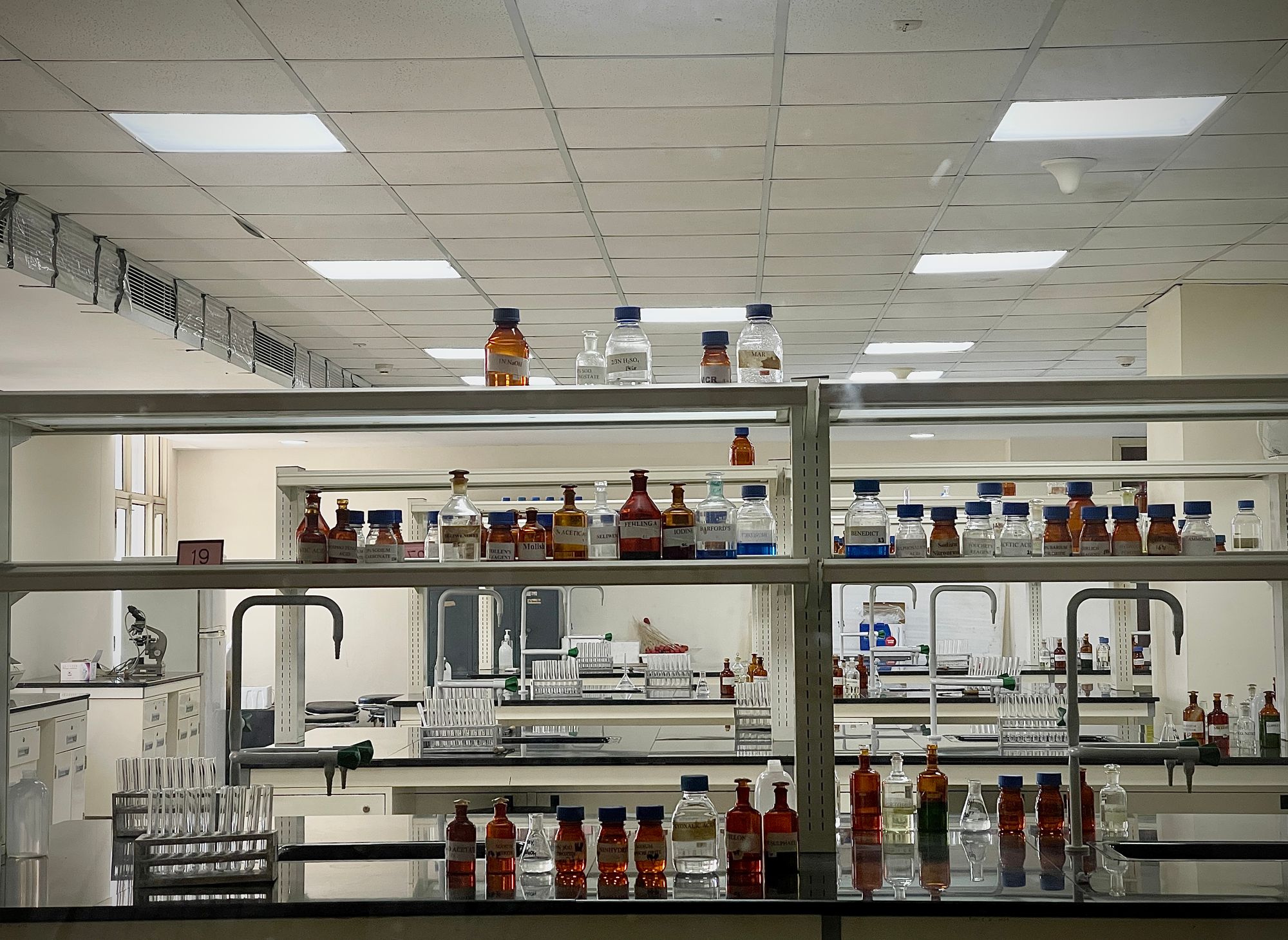

It’s the last Thursday of the month. You pull up your inspection checklist, walk the facility floor, and work through the same 47 line items you’ve reviewed for the past two years. Bay 4 has an oil drip near the press that was logged in March, again in April, and again now. You note it. You submit the finding. You move on. The inspection is complete, on time, documented in full. And next month, if nothing changes upstream, you’ll be back at Bay 4 with the same pen, writing the same note.
This is the most common failure mode in EHS inspection programs: the inspection itself works perfectly. It’s everything that happens after, or rather doesn’t, where the process breaks down. Running a monthly inspection that actually prevents incidents requires more than a schedule and a checklist. It requires a system that closes the loop from finding to verified resolution.
Why Monthly Inspections Fall Short
The purpose of a scheduled inspection is to surface hazards before they cause harm. But in most facilities, inspections accumulate findings without driving resolution. Three structural problems cause this.
First, the corrective action process is disconnected. Findings get logged in one system (or on paper), action requests get routed through maintenance via another channel, and there’s no single place where inspection findings and completion status live together. The EHS manager has no reliable way to confirm that Bay 4’s oil drip was actually fixed before the next inspection cycle begins.
Second, inspection frequency doesn’t match hazard risk. Most monthly inspection programs apply the same cadence to every area of a facility, regardless of hazard exposure. A high-voltage electrical panel and a break room coffee maker get checked on the same 30-day cycle. Resources spread evenly across low-stakes and high-stakes areas alike.
Third, the data isn’t being used. After 12 months of inspections, you have a detailed record of every finding across your facility. Most programs never analyze it. Which locations generate the most repeat findings? Which finding types close fastest, and which stall? Without that analysis, each inspection cycle starts fresh rather than building on what came before.
20–40%
Reduction in injury and illness costs for employers who implement systematic safety programs, including regular workplace inspections
Source: OSHA, Recommended Practices for Safety and Health Programs
That gap between potential and actual performance is almost always an execution problem, not a knowledge problem. EHS managers know inspections matter. The gap is in what happens between the finding and the fix.
How to Build a Monthly Inspection Program That Actually Closes Hazards
A high-functioning monthly inspection program has four interconnected components: structured checklists organized by area and hazard class, a corrective action workflow that assigns ownership at the moment of finding, tiered inspection frequency based on risk level, and a close-out verification step before the next cycle opens.
The Monthly Inspection Cycle That Closes Hazards
Before starting the new inspection walk, confirm which corrective actions from the prior cycle are still open, overdue, or unverified. Escalate anything past due before adding new findings to the queue.
Use checklists tailored to each work area and its specific hazards, not a single generic form applied facility-wide. Electrical, machine guarding, ergonomic, and housekeeping items each have different inspection standards and different responsible parties.
Every finding should leave the inspection with three fields populated: who is responsible, what the fix requires, and when it must be done. A finding assigned to a department is not assigned at all. Name a person.
The inspection report should reach responsible parties the same day, not days later when memory and urgency have faded. If the routing depends on someone manually forwarding a PDF, it will eventually break down.
A corrective action is not complete when the responsible party says it is complete. It is complete when an inspector confirms the hazard has been eliminated or controlled. This is the step most programs skip, and it is why the same findings recur.
Tier Your Inspection Frequency by Risk Level
Monthly is the right cadence for general facility inspections, but it should not be the only cadence. Areas with high-severity hazard potential, including confined spaces, high-pressure systems, and chemical storage with reactive materials, warrant more frequent attention. Daily equipment pre-use checks and weekly area inspections for high-risk zones are distinct categories from the monthly facility audit, not substitutes for it.
OSHA’s hazard identification guidance specifically recommends that employers establish routine inspection schedules that reflect the nature and severity of the hazards present in each work area, with higher-risk operations inspected more frequently. Applying a flat 30-day cadence across an entire facility ignores that guidance and concentrates risk at your most hazardous locations.
Practically, this means building a tiered schedule alongside your monthly program. Define which areas or equipment require weekly or daily checks, document that schedule separately, and make sure the monthly inspection confirms those checks are being completed, not just conducts its own sweep in isolation.
Use Inspection Data as a Leading Indicator
After three to six months of consistent inspections, you have enough data to stop reacting and start predicting. Which areas generate the most findings? Which finding types have the longest average time-to-close? Which equipment keeps appearing on inspection logs month after month?
That analysis should directly inform where you increase inspection frequency, where you escalate corrective actions to capital investment rather than maintenance work orders, and where you redesign a process rather than document the same hazard repeatedly. The NIOSH Hierarchy of Controls offers a useful frame here: if a hazard keeps recurring through repeated inspection cycles despite corrective actions, that is a signal the control being applied is too low on the hierarchy. You are not fixing the system; you are patching it.
Inspection data analyzed in aggregate is a leading indicator of where your next serious incident is most likely to originate. Individual inspection reports are snapshots. The pattern across cycles is where the signal lives.
What an Effective Monthly Inspection Cycle Looks Like in Practice
In a well-functioning program, the cycle works like this: inspection assignments go out one week before the due date. Inspectors complete area-specific checklists during a structured walk, logging findings with responsible parties and due dates in real time. The report routes to supervisors and department heads the same day. Before the next cycle opens, open corrective actions from the prior month are reviewed for close-out status. Anything past due is escalated before the new walk begins. The cycle repeats with a fresh inspection that starts by confirming prior-period resolution.
The difference between this and the standard approach is not the inspection walk itself. It is the before (what is still open from last month?) and the after (who verified the fix, and when?). Most programs do the walk well. The before and the after are where hazards live between cycles.
How Q-Inspection Can Help
Quantum’s Q-Inspection module is structured around the close-the-loop approach described above. Inspectors build area-specific checklists, assign corrective actions directly from findings with due dates and named responsible parties, and track open items across inspection cycles without exporting to a separate system. When a finding is marked resolved, it can be flagged for verification before the cycle closes, so prior-period items are confirmed before new findings are added to the queue.
For facilities where frontline workers participate in inspections or report findings in the field, Q-Inspection supports Smart Login: workers access the system by scanning a QR code and entering only their employee ID, with no app download or password required. Every submission is automatically attributed to the correct employee, which matters when you are tracking who flagged what and when. Explore the full Quantum EHS Management System to see how structured inspection programs integrate with hazard reporting, incident tracking, and the rest of your EHS workflow.